C13 to NEMA 5-15P Type Power Cords
Summary#
This is a note regarding specifications for C13 to NEMA 5-15P type power cords and their use within datacenter and enterprise office environments. Along with when and where it’s feasable to use it. (Along with what devices)
Although not recommended. I have seen the use of these cables in datacenters.
I will be doing more reference articles for stuff like this because I’ve found that some don’t know the difference between certain cable types.
These cables can come in differnet designs. But, I will be discussing the most common types that I see day to day.
This can be found in the IEC 60320 also named Appliance couplers for
household and similar general purposes where the Interntional Electrotechnical
Commission (IEC) defines standards for non-locking appliance couplers for
connecting power cords to electrical appliances and devices.
C13 to NEMA 5-15P Type Power Cords#
The C13 to NEMA 5-15P type power cord is also described as a 3 prong power cable on some online stores. These can be found on desktop computers (power supplies), monitors, different models of switches, and different models of firewalls.
Specifications#
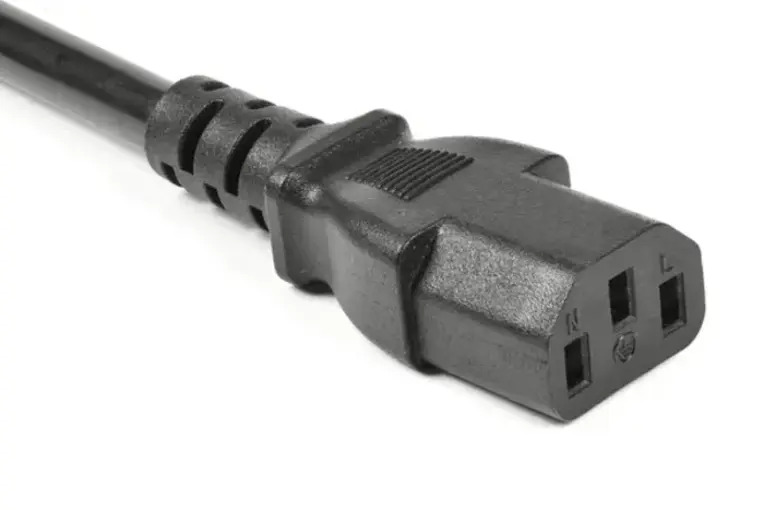
The main way to differentiate a C13 to NEMA 5-15P is the C13 connector is an inlet that connects to the power supply of the device. It will have a three holes to mate the power supply to the device.
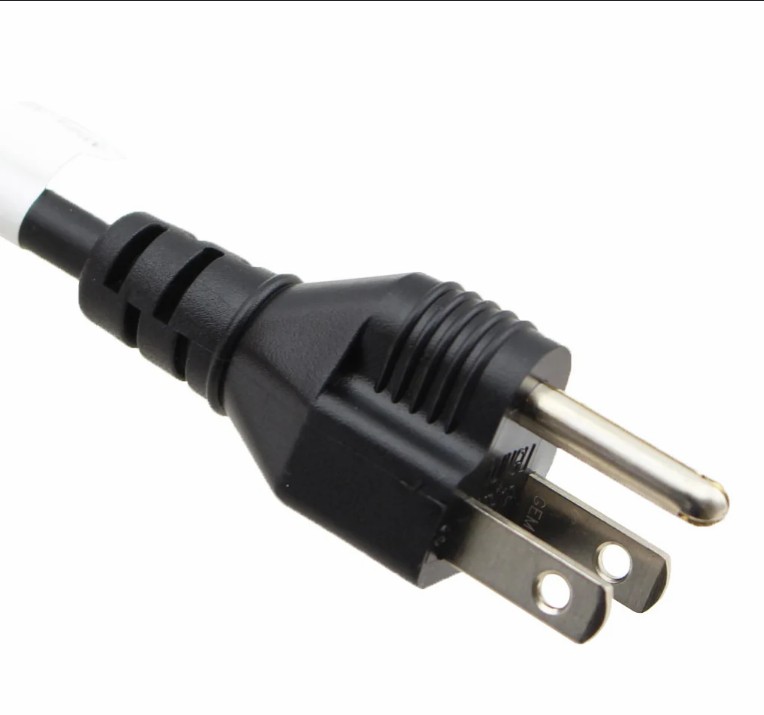
The NEMA 5-15P side connects to the wall outlet and it has three prongs pertruding out the connection for connecting to the wall.
From the way it connects there the bottom prong is for ground. With the right being the hot wire and the left being the neutral wire.
Depending on the electrical code the hot wire is black where the neutral is white, and the ground wire is green.
Here is an example of the cable showing both connections. That are commonly used in personal computers, monitors, etc.
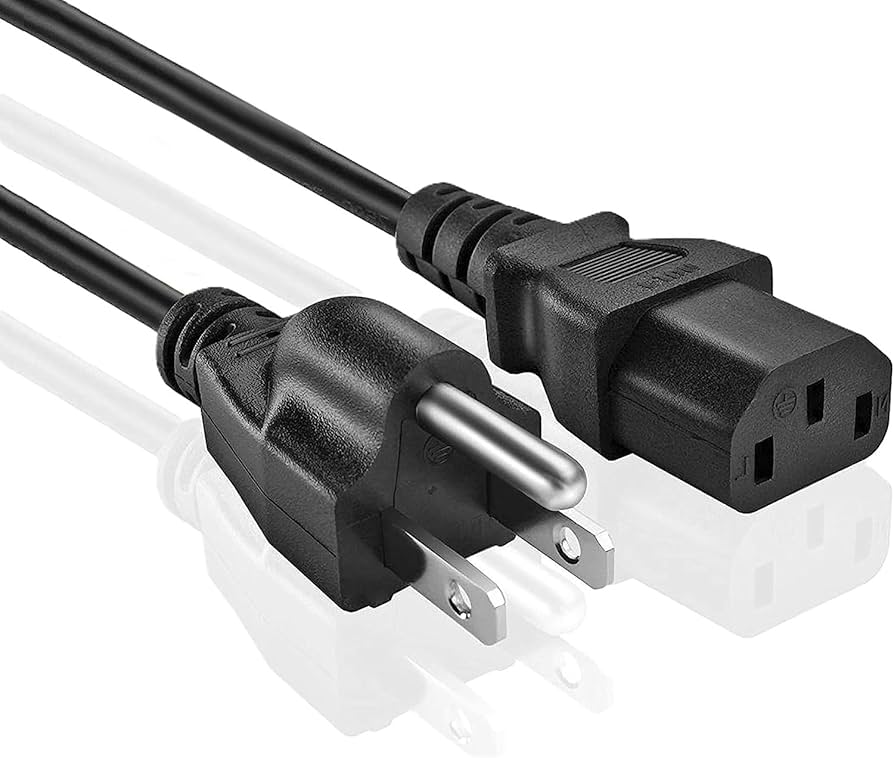
These cables generally have the following specifications as shown below. They can be purchased in varying lengths and AWG sizes. There are different variations of the NEMA 5-15P inlet that connect at a right angle of the cable. Making it flush with the wall.
Different manufacturers/sellers may have different diameter specifications for AWG.
- Voltage Capacity: 120v AC (15A)
- Normal Working Temperature: -20 C - 60 C (-4 F - 140 F)
- AWG Variations:
- 20 AWG 0.032 in. (0.81 mm)
- 18 AWG 0.0403 in. (1.02 mm)
- 16 AWG 1.29 mm
- 14 AWG 0.0641 in. (1.63 mm)
- 12 AWG 0.0808 in. (2.05 mm)
Different Use Cases#
Corporate offices or small businesses use these for desktop computers, monitors, servers, switches, routers, and firewalls for small branch offices to larger corporate offices. They do the job they need to and normally don’t have many defects.
I have also seen these cables in different lengths and AWG sizes used within datacenters depending on the gear there. Anywhere between routers, switches, and servers. Just depends on what connectors the datacenter provides. But, in most cases you wont have a choice but to use C14 inlets.
These are not limited to servers or networking. The NEMA 5-15P inlet can be seen in use on microwaves, laptop chargers, lamps, along with other appliances seen across the United States and Canada.
Conclusion#
It’s important in my line of work to know the differnce between different power cables and their connections. So I’m starting to notate different cables and their use.
I have provided images of the cable and their indiviual connections and inlets so others can differentiate between both. Included are specifications I aquired from a vendor with voltage capacity, normal operating temperature, and differing AWG sizes.